The Incredible Benefits of Hemp Protein: A Natural Plant-Based Powerhouse
Hemp protein has become a star in the world of nutrition, especially as more people are shifting towards plant-based diets. Derived from the seeds of the hemp plant, this protein source is not only natural and sustainable but also packed with numerous health benefits. If you’re considering adding more plant-based proteins to your diet, hemp protein might be the perfect solution.
What Is Hemp Protein?
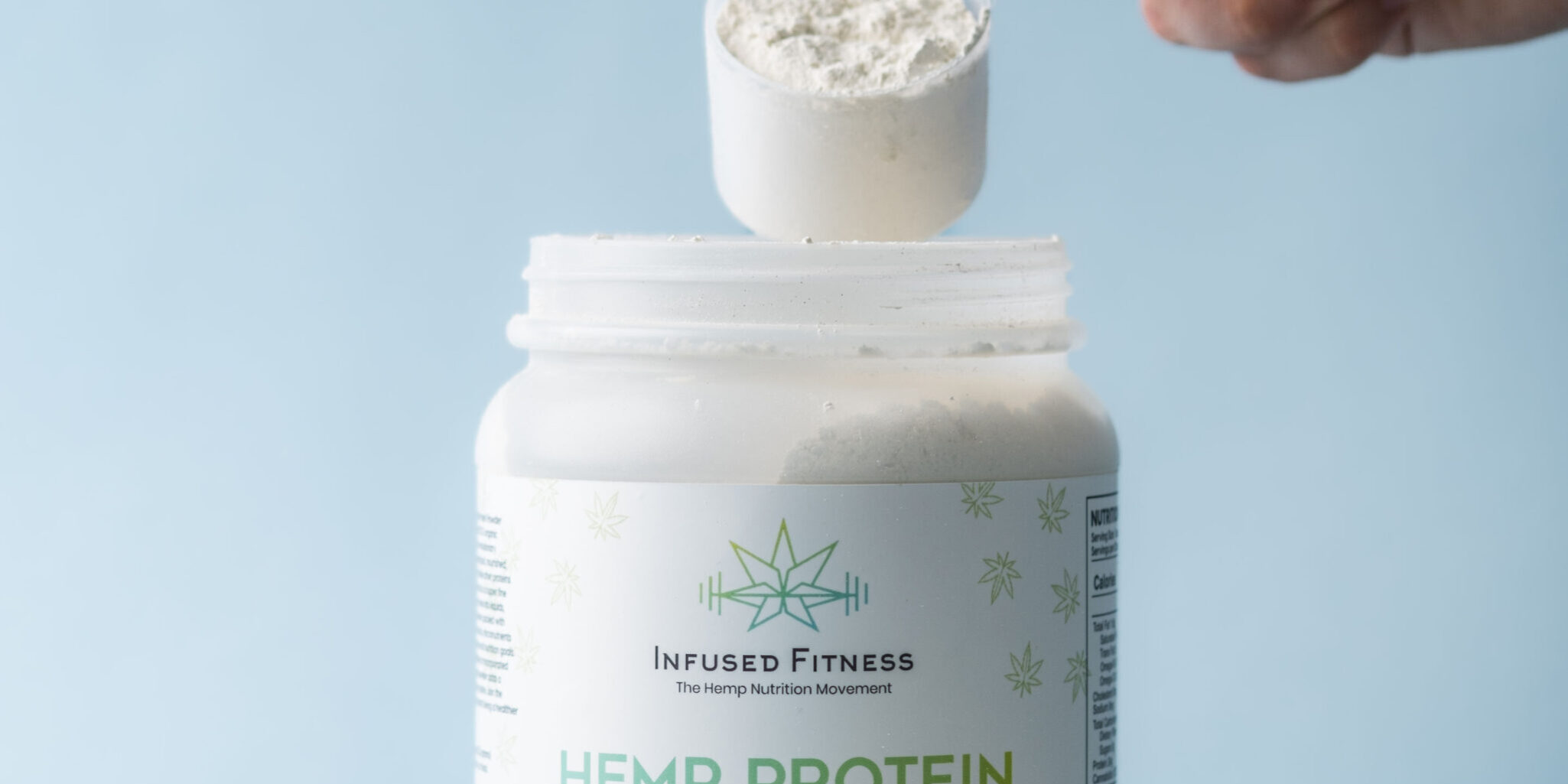
Hemp protein is made by grinding hemp seeds into a fine powder. While hemp seeds come from the cannabis plant, they contain only trace amounts of THC, the compound responsible for the psychoactive effects of marijuana. In fact, hemp protein offers all the goodness of hemp without any of the concerns related to cannabis. It’s a complete protein source, meaning it contains all nine essential amino acids your body needs but can’t produce on its own.
Why Hemp Protein Stands Out
Hemp protein has gained popularity for being an environmentally friendly, clean, and natural protein source. Unlike animal-based proteins, it’s hypoallergenic and easily digestible, making it ideal for people with food sensitivities or digestive issues. It’s also rich in fiber, essential fatty acids, and antioxidants, making it much more than just a protein supplement.
Nutritional Composition of Hemp Protein
Hemp protein is a rich source of various essential nutrients. It’s loaded with all nine essential amino acids, omega-3 and omega-6 fatty acids, magnesium, iron, and calcium. On top of that, it contains plenty of fiber, which supports digestive health and promotes feelings of fullness.
The combination of protein, healthy fats, and fiber in hemp protein offers a well-rounded nutritional profile that can benefit anyone looking to enhance their diet. For those seeking plant-based options, hemp protein is particularly appealing because it doesn’t compromise on quality or nutrition.
Muscle Growth and Repair with Hemp Protein
One of the biggest reasons people turn to protein supplements is to support muscle growth and recovery. Hemp protein is no exception here. Since it is a complete protein source, it provides your muscles with the amino acids needed to repair and build muscle tissue. This makes it a great choice for athletes, bodybuilders, and anyone engaged in regular physical activity.
The high levels of branched-chain amino acids (BCAAs) found in hemp protein further enhance muscle recovery. BCAAs like leucine, isoleucine, and valine are vital for repairing muscle damage post-workout and encouraging muscle synthesis. When consumed after exercise, hemp protein can speed up recovery times and reduce muscle soreness.
Hemp Protein for Digestive Health
Unlike many other protein supplements, hemp protein is rich in fiber, which is crucial for maintaining a healthy digestive system. Fiber helps regulate bowel movements, prevents constipation, and supports gut health by promoting beneficial bacteria in the gut. Each serving of hemp protein powder can contain up to 20% of your daily fiber intake, making it a convenient way to increase your fiber consumption.
Because of its fiber content, hemp protein is slower to digest than other protein powders like whey. This slower digestion provides a steady release of energy and can help you feel fuller for longer, making it easier to manage your weight.
Hemp Protein: A Heart-Healthy Choice
Hemp protein is more than just a muscle builder; it’s also great for your heart. It contains omega-3 and omega-6 fatty acids in an ideal 3:1 ratio. These healthy fats help reduce inflammation, improve circulation, and support cardiovascular health. Regular consumption of omega-3 fatty acids has been linked to a lower risk of heart disease, making hemp protein a great choice for anyone looking to improve their heart health.
Additionally, the high levels of arginine found in hemp protein play a key role in the production of nitric oxide, a molecule that helps relax blood vessels and improve blood flow. This can lead to better heart function and reduced blood pressure levels.
Environmentally Friendly and Sustainable
Another benefit of hemp protein is its sustainability. The hemp plant requires minimal water and pesticides, making it an eco-friendly crop. Hemp is also fast-growing, capable of thriving in a variety of climates, and can be harvested multiple times per year. This makes it a more sustainable choice compared to animal-based proteins, which require large amounts of land, water, and resources to produce.
By choosing hemp protein, you’re not only benefiting your health but also supporting environmentally conscious farming practices. It’s a win-win for both you and the planet.
Hemp Protein for Weight Management
In addition to its muscle-building and heart-health benefits, hemp protein can also support weight management. The combination of protein and fiber helps you feel full for longer, reducing the likelihood of overeating or snacking between meals. Hemp protein can be a valuable addition to a weight loss or maintenance plan because it helps control hunger while providing essential nutrients.
Furthermore, because it’s easily digestible and hypoallergenic, hemp protein is unlikely to cause bloating or digestive discomfort, which can sometimes be a concern with other protein supplements.
Hemp Protein vs. Whey Protein: How Do They Compare?
For years, whey protein has been the gold standard in the fitness world. However, many people are turning to plant-based proteins like hemp as a cleaner, more natural alternative. One key difference between hemp and whey protein is digestibility. Hemp protein is much easier to digest, thanks to its natural fiber content, and it doesn’t contain lactose, making it a great option for those who are lactose intolerant or have dairy allergies.
Another factor to consider is sustainability. Hemp protein comes from a renewable plant source, while whey protein is derived from milk, which has a higher environmental impact. Moreover, hemp protein’s nutritional profile, with its blend of fiber, healthy fats, and protein, makes it a more well-rounded option for overall health.
Hemp Protein for Energy and Endurance
Hemp protein’s unique blend of protein, fiber, and healthy fats makes it a great source of sustained energy. Unlike simple carbohydrates that can cause blood sugar spikes and crashes, the slow-release energy from hemp protein can help maintain steady energy levels throughout the day. This makes it an excellent choice for athletes, busy professionals, or anyone looking to avoid energy slumps.
The presence of omega-3 fatty acids in hemp protein also contributes to improved endurance by reducing inflammation and supporting heart health. These benefits can translate into better performance, whether you’re working out in the gym or simply going about your daily activities.
Enhancing Your Skin and Hair Health with Hemp Protein
Hemp protein is also great for your skin and hair. The omega-3 and omega-6 fatty acids found in hemp protein help nourish the skin, improving its elasticity and hydration. These healthy fats can also support scalp health, leading to stronger, shinier hair. Regular consumption of hemp protein can contribute to a glowing complexion and healthier hair, especially when combined with a balanced diet rich in vitamins and minerals.
How to Use Hemp Protein in Your Diet
There are many ways to incorporate hemp protein into your diet. You can easily add it to smoothies, oatmeal, or yogurt for a quick and nutritious protein boost. For those who enjoy baking, hemp protein powder can be used in place of flour in many recipes, adding a nutritional punch to your favorite baked goods. It’s also a great addition to energy bars, pancakes, or homemade protein balls.
Because it has a mild, nutty flavor, hemp protein works well in both sweet and savory dishes. Whether you’re looking to boost your post-workout recovery or simply add more plant-based protein to your meals, hemp protein is incredibly versatile.
Hemp Protein for Overall Wellness
Beyond its specific benefits for muscles, heart health, and digestion, hemp protein contributes to overall wellness. The blend of essential nutrients, healthy fats, and fiber supports a balanced diet, promoting long-term health. Whether you’re a fitness enthusiast, a busy professional, or simply someone looking to improve your nutritional intake, hemp protein is a natural, plant-based solution that can help you achieve your wellness goals.
FAQs
Is hemp protein safe for everyone?
Yes, hemp protein is generally safe for most people. It’s hypoallergenic, making it suitable for those with food allergies or intolerances. However, if you have a medical condition or are pregnant, it’s always a good idea to consult a doctor before adding any new supplement to your diet.
Can hemp protein help with weight loss?
Yes, hemp protein can support weight loss efforts by helping you feel full for longer due to its high fiber content. It can also provide the necessary nutrients without the empty calories, making it a good addition to a balanced diet.
Does hemp protein contain THC?
No, hemp protein does not contain THC. It is derived from the hemp plant but goes through a process that removes any psychoactive components, making it safe and legal to consume.
How does hemp protein compare to other plant-based proteins?
Hemp protein is a complete protein, containing all nine essential amino acids. It also has the added benefits of omega-3 and omega-6 fatty acids, making it nutritionally superior to many other plant-based proteins like rice or pea protein.
Can hemp protein replace whey protein?
Yes, hemp protein can be a great alternative to whey protein, especially for those with lactose intolerance or dairy allergies. It offers similar muscle recovery benefits without the digestive issues that can come with whey.
Is hemp protein environmentally friendly?
Yes, hemp protein is one of the most sustainable protein sources available. The